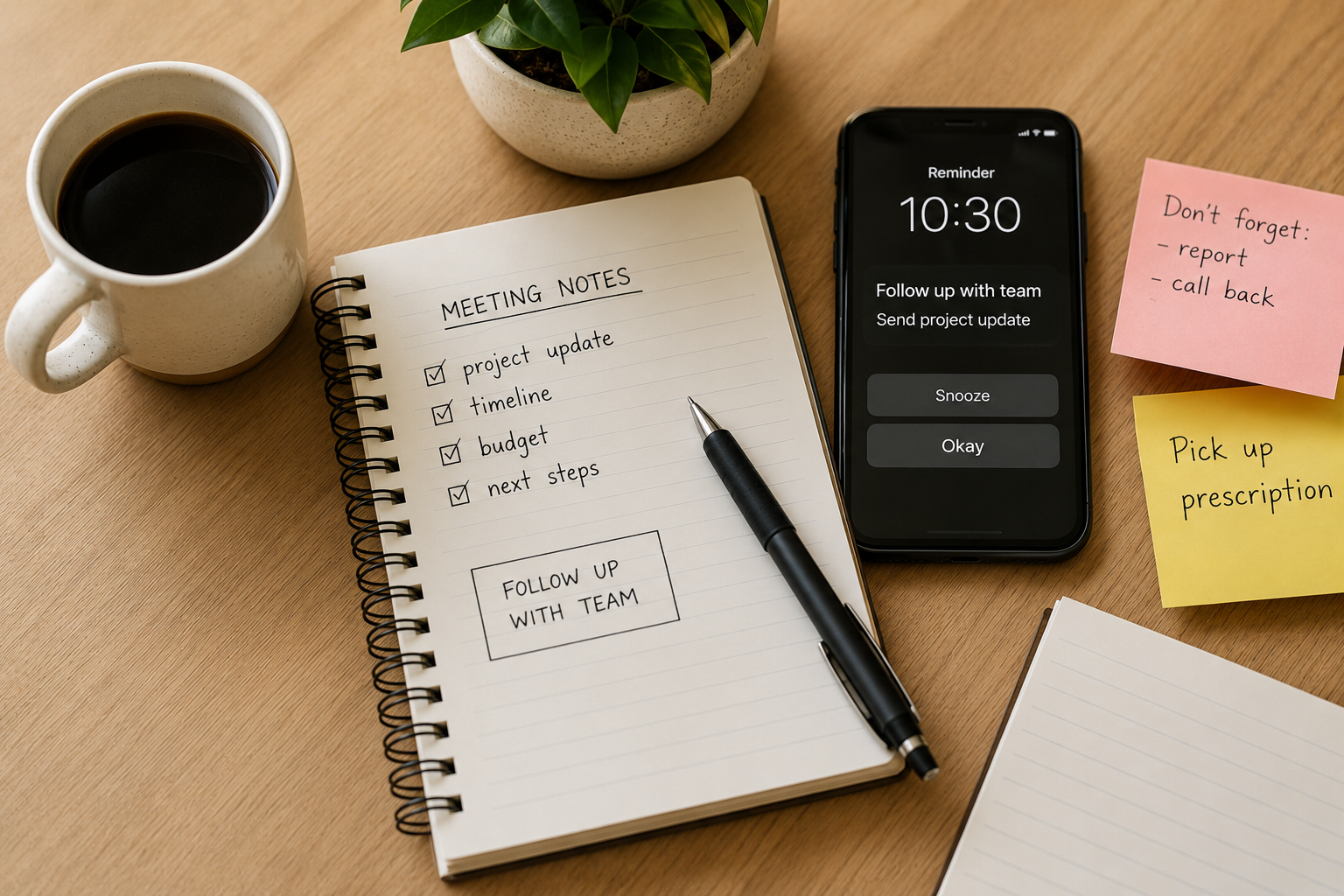
Last updated by Maggie on
On a low-capacity day with ADHD, the most useful tool is often the one that makes the next step easier. These 17 Amazon finds for adults cover visible reminders, home organization, planning and focus, and sensory comfort.
Affiliate disclosure: As an Amazon Associate I earn from qualifying purchases, at no extra cost to you.
Top 3 picks for low-capacity days
For a short list, these three offer different kinds of support: a visual timer for getting started, sticky notes for the next step, and a weighted blanket for comfort. Choose the one that fits what you need today.
1) Visual timer
Best if: you want to see how much time is left.
Why it helps: A visible countdown gives a task a clear beginning and end. Put it beside the thing you want to work on.
Before buying: Check the alert volume and dial size. A shrinking color display and a digital countdown show time differently.

2) Sticky notes
Best if: you keep losing the next step.
Why it helps: Write one next action and place it where you will do it, so the reminder stays with the task.
Before buying: Start with one visible note. A whole wall of reminders can make the important one harder to spot.

3) Weighted blanket
Best if: you enjoy a little extra weight while resting.
Why it helps: If firm pressure feels comforting to you, a weighted blanket offers that sensation while you sit or rest.
Before buying: Consider warmth, fabric texture, and washing instructions. Choose something you can move and remove comfortably.

How I chose these finds: Each item removes a step, makes something easier to see, or makes everyday sensory input easier to manage on a low-capacity day. Read the Wild Berry Haven editorial policy.
Home organization tools for ADHD
These finds give everyday items a visible place to land. Choose a tool for a spot that already collects clutter, such as the entryway, laundry area, or a frequently used shelf.
4) Open-top baskets for drop zones
Best if: putting things away needs to be as easy as setting them down.
Why it helps: An open basket gives frequently used items a place to land without a lid or detailed sorting.
Before buying: Measure the spot first. One basket for one category is easier to use than a large catchall you have to search.
5) Clear bins with handles
Best if: you forget what you have when you cannot see it.
Why it helps: Clear sides keep the contents visible, and handles can make a group of items easier to pull off a shelf.
Before buying: Check the outside dimensions and handle clearance. Bins that stack neatly can still be awkward to access.
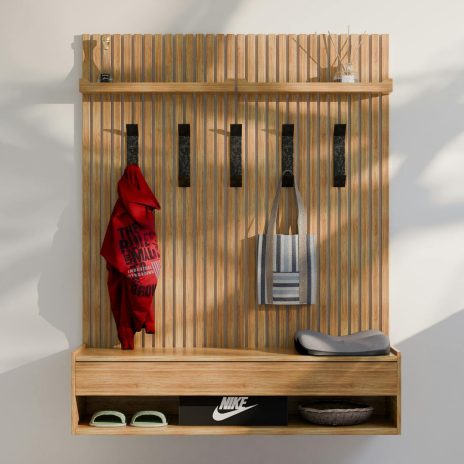
6) Command Large Utility Hooks
Best if: keys, a bag, or a jacket need a consistent place.
Why it helps: A hook near where you come and go gives an everyday item a visible home.
Before buying: Check the weight limit and compatible surfaces for the exact hooks, and follow the preparation and removal instructions.
7) Three-tier rolling utility cart
Best if: supplies need to move with you between rooms.
Why it helps: Keep a few frequently used supplies together so you can move them to the spot where you need them.
Before buying: Measure the footprint and shelf clearance. Give each shelf a purpose so the cart stays easy to use.
8) Laundry sort hamper
Best if: sorting laundry is where the process stalls.
Why it helps: Separate compartments let you sort clothes as they go into the hamper, leaving one less step for laundry day.
Before buying: Choose a number of compartments you will actually use. Check whether the bags or sections are easy to carry.
9) Label maker
Best if: you keep having to decide where things belong.
Why it helps: A clear label gives a shelf, basket, or drawer a consistent job and makes that system easier to share.
Before buying: Check replacement tape costs and label removal. A handwritten label is enough to try the idea first.
Planning and focus tools
Timers, notes, and simple planners keep time and tasks in view. If remembering the next step is the harder part, my guide to ADHD working memory in adults explains more ways to use visible reminders.

10) Digital kitchen timer
Best if: your phone timer turns into distraction time.
Why it helps: A separate timer lets you set a short work period without opening your phone. Try five minutes for one small task.
Before buying: Look for a readable display and controls you find easy to use. Check the alert settings if sound bothers you.
11) Timer cube or focus timer
Best if: you prefer a physical action to setting a timer on your phone.
Why it helps: A timer cube gives you a separate object to start a short focus session, with fewer reasons to pick up your phone.
Before buying: Check the time intervals and how you start, pause, and silence the exact model. Those controls vary.
12) Dry erase sticky notes
Best if: you want reusable reminders without more paper scraps.
Why it helps: Rewrite a short list or the next step in the same visible spot instead of starting another piece of paper.
Before buying: Check which surfaces the notes attach to and which markers they need. Keep the marker beside them.
13) Magnetic whiteboard for the fridge
Best if: you need a reminder in a place you already look.
Why it helps: A shared, visible spot can hold today’s next step or a household reminder without relying on memory.
Before buying: Make sure your fridge surface is magnetic. Leave enough blank space for a few notes you can read at a glance.
14) Weekly notepad planner
Best if: a full planner feels like another system to maintain.
Why it helps: One week on one sheet keeps upcoming tasks together without flipping through lots of pages.
Before buying: Look for enough writing space and a layout you can scan quickly. Decide whether dated or undated pages suit you.
Comfort and sensory support
Comfort is personal. Use this section to compare warmth, softer sound, and less light, based on what feels pleasant to you.

15) Heating pad for neck and shoulders
Best if: you enjoy warmth during a seated break.
Why it helps: A heating pad offers a warm spot around your neck and shoulders while you pause between tasks.
Before buying: Compare the fit, heat settings, cord reach, and shutoff options, and follow the product’s directions for use.
16) Noise-reducing earplugs
Best if: you want to soften background sound.
Why it helps: Earplugs reduce incoming sound and give you a portable option for places that feel too noisy.
Before buying: Fit and sound reduction vary. Choose for the setting and the conversations or alerts you still need to hear.
17) Eye mask
Best if: you want less light during a short rest.
Why it helps: An eye mask blocks light without changing the whole room, making a quiet pause easier to set up.
Before buying: Consider strap pressure, fabric, and whether the mask touches your eyelids. Check how it is cleaned.
A five-minute reset using what you have
You can try a smaller routine before adding anything to your cart. Here is one way to use a timer, a container, and a written reminder.
- Set a timer for five minutes. Use a timer you already own.
- Choose one small task, such as collecting cups or putting away three things.
- Put anything that belongs elsewhere in one basket or bag.
- Write down the next step if you want to return to it later.
- When the timer ends, pause and decide whether you want to stop or continue.
For more flexible examples, see my guide to simple ADHD routines for adults, including smaller versions for low-capacity days.
Questions about ADHD tools for adults
How do I choose between a visual timer, kitchen timer, and timer cube?
Look for a visual timer if you want a picture of time remaining, a kitchen timer if you prefer a number display, or a timer cube if turning it feels easier than setting buttons. Check the available intervals and alert settings on the listing. For more ways to keep time visible through the day, explore my ADHD time blindness tools guide.
What should I look for in an ADHD-friendly planner?
Choose a layout you can understand at a glance, with enough space for a few priorities. Compare daily and weekly formats based on how much detail you want to see at once. A planner is easier to return to when it lives in a place you already check.
Do I need to buy something to use these ideas?
No. Try a phone timer, a scrap of paper for one reminder, or a box as a drop zone. If that setup helps but one part is awkward, use the buying considerations above to choose a tool that solves that specific problem.
Save this list for a low-capacity day
Bookmark this page for later, or return to the top three picks when you want the short list.